Cracked glass only
A glass replacement may be sufficient when the backing, heater connections, adjustment, and housing are sound. The replacement must match the shape, curvature, and fitted features.
MECHANICS IN AL QUOZ
Cracked glass, a loose side mirror, or failed folding and adjustment? Mechanics in Al Quoz, Dubai checks what can be repaired and quotes the correct glass, component, or complete assembly while retaining the features fitted to your car.
START WITH THE DAMAGE
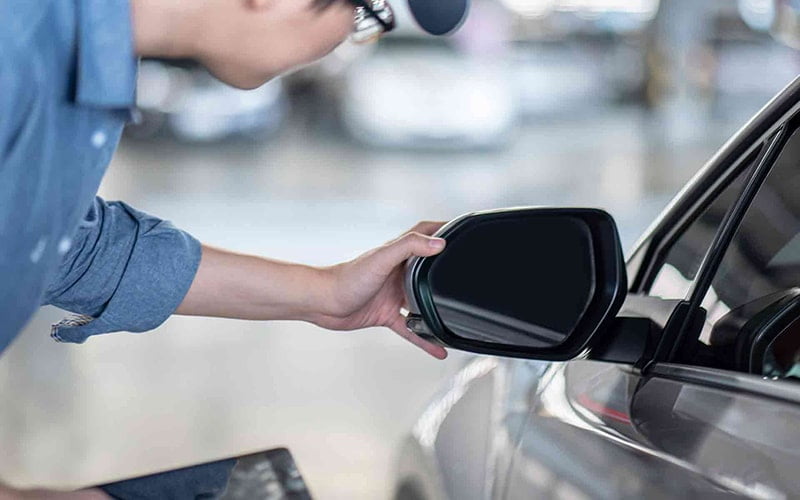
A broken mirror does not always require a complete assembly. The glass, housing, mounting base, wiring, and movement mechanism determine which repair is practical.
A glass replacement may be sufficient when the backing, heater connections, adjustment, and housing are sound. The replacement must match the shape, curvature, and fitted features.
A separately available cover or indicator can sometimes be replaced without changing the whole unit. Broken mounting tabs or damage beneath the cover can change the work needed.
Check the switch, wiring, supply, and mechanism before condemning the assembly. A motor or internal repair depends on the unit's design, damage, and parts availability.
A cracked mounting base, detached unit, or several failed internal parts may justify a complete assembly. Damage to the door mounting area may need a separate door repair assessment.
PLAN YOUR REPAIR
Compare the part you need, not just the shape of the mirror. These AED estimates help you plan before we identify the exact replacement.
Planning range for selected common models. Assumes a basic assembly and normal installation, with a 5% VAT allowance.
Quoted separately
Paint, advanced features, camera calibration, programming, wiring damage, and door repairs.
One glass piece. Fitting, heating, auto-dimming, and electronic features need confirmation.
Availability and damage determine whether a smaller repair is practical.
Heating, memory, auto-dimming, warning displays, and cameras can change the part and total. Confirm required setup or camera calibration separately.
Confirm your written total before work. These are rounded UAE market planning estimates, not fixed Mechanics prices. Both AED ranges include a 5% VAT allowance. The glass range is for the part only. Your quote should identify the part brand, fitting, paint or electronic work if needed, and VAT. Pickup availability and charges are confirmed separately.
MORE THAN THE OUTLINE
Correct glass must fit securely and retain the viewing characteristics and functions your car needs. A piece that matches the outline is only the starting point.
A temporary cover is not a completed glass repair. Tape or an overlay does not establish correct attachment, a clear view, or working electronics. If the carrier is damaged or the view is unsafe, arrange inspection before using the car.
The viewing difference is explained in Ford's exterior mirror guidance. Always match the specification required for your own vehicle.
KEEP A CLEAR VIEW
Check whether the problem affects the glass, mounting, or your view of surrounding traffic.
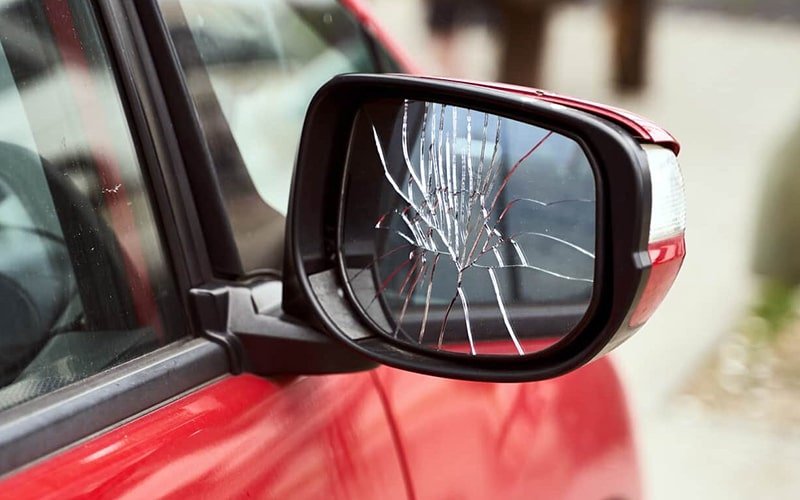
Avoid sharp edges. Send a clear photo of the glass and complete housing so both can be assessed.
Do not leave it hanging by its wiring or repeatedly operate the folding motor. Arrange an assessment and suitable transport.
If you cannot observe traffic safely, avoid driving and discuss pickup or recovery. A temporary attachment is not a confirmed repair.
An initial inspection and Dubai pickup can be arranged with Mechanics. Confirm collection availability and charges when booking.
Identify the affected side and note which controls or lights still work. Photograph the whole assembly and the damage without handling sharp glass. An interior mirror photo should show the mount as well as the mirror. Do not remove door trim or detach a camera to obtain a part number for an initial inquiry.
A bonded windshield mount, broken carrier, damaged wiring, or camera-equipped assembly needs the correct repair method. Household adhesive, forced folding, and an unmatched glass overlay can leave the original problem unresolved. Ask about a properly fitted repair before buying parts or attempting reattachment.
WHEN THE GLASS IS NOT BROKEN
A folding, heating, or adjustment problem can start outside the mirror assembly. Tell us which functions still work and whether the fault affects one side or both.
Also mention a recent impact, door repair, or intermittent behavior. A short video of the fault can help with the initial discussion, but electrical testing may still be needed.
Agree on diagnostic work and charges before testing or dismantling. A photo quote can identify a likely part, but cannot confirm hidden wiring or mechanism damage.
Check the selected side and the vehicle's normal control settings first. The assessment may then cover the switch, power supply, connector, door wiring, and adjustment drive. A failed control or connection calls for a different repair from a damaged motor.
A damaged hinge, obstruction, drive mechanism, or control issue can prevent movement. Some vehicles also have specific reset procedures after a mirror is displaced. Do not force the housing or repeatedly cycle a struggling motor. Follow the instructions for the exact model.
Confirm that the feature is fitted and how it activates. Mirror heaters can operate with the rear defroster on some models, while automatic dimming responds to lighting conditions. Testing should distinguish normal operation, a damaged connection, and a failed glass or electronic unit.
Record the message and which image or warning is affected. The mirror camera, display, connections, or another part of the vehicle system may need assessment. Do not assume that fitting new glass repairs a blind-spot or surround-view system fault.
AFTER AN IMPACT OR REPAIR
Movement, noise, or an intermittent fault can remain even when the glass looks intact. Tell us when it started and what changed.
Loose glass clips, a worn hinge, damaged mounting points, or a poorly seated cover can need different repairs. A whistle after an impact may also involve the mirror base seal or adjacent door trim. The assessment should locate the source before replacing another assembly.
Report whether the glass moves inside a stable housing or the entire unit shakes. Do not drive to reproduce the fault if the mirror is insecure or your view is unsafe.
Tell us if folding, adjustment, heating, or the camera becomes intermittent after water exposure. Damaged seals, connectors, wiring, and moisture inside a fitted lamp or camera may need inspection. Water exposure alone does not identify the failed component.
A repair should address the entry point and any damaged connection, not just restore operation briefly. Avoid directing a pressure-washer jet into cracked housings or exposed wiring while waiting for the assessment.
MATCH THE FITTED EQUIPMENT
A unit can fit the door and still lose a function. Match the VIN, connector, and existing equipment before ordering.
Match manual or electric adjustment, power folding, and memory settings.
Check the glass curvature, heating, and auto-dimming specification.
Confirm indicators, puddle lights, and any blind-spot display in the glass.
Identify a surround-view camera and confirm the cover color and paint work.
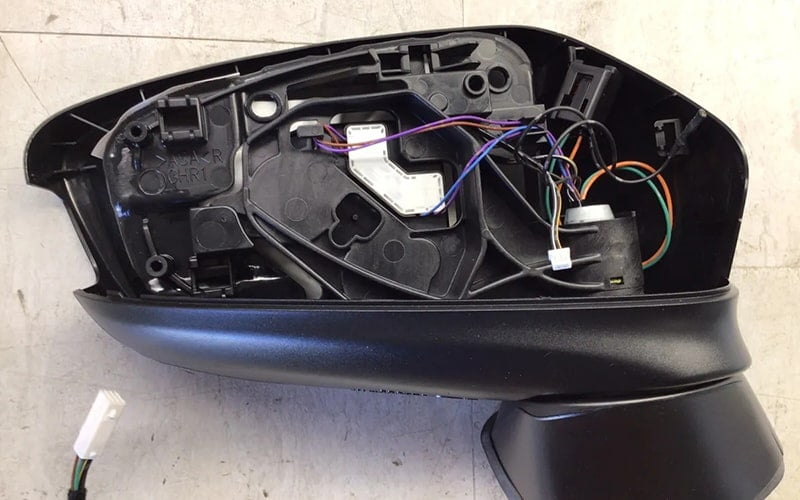
A camera-equipped mirror may need calibration after removal or replacement. Follow the vehicle procedure. A blind-spot display in the glass does not show where the detection sensor is located.
The model name and year start the search, but trim, production date, market specification, and left or right side can change the part. Imported vehicles may need extra checking. Match the VIN or original part number, connector, mounting points, and required functions rather than buying from a similar-looking photo.
A like-for-like repair aims to retain the features already fitted. Adding power folding, memory, a camera, or auto-dimming may also require controls, wiring, modules, or software configuration. Confirm feasibility and the complete cost before buying an upgraded assembly.
THE COVER AND FINISH
A scratched cap, a broken clip, and a cracked mounting base are different jobs. Cosmetic work should follow an assessment of the structure underneath.
If the removable cover is damaged but the base, hinge, glass, and electrical functions remain sound, a separately available cap may be the practical option. Confirm that the tabs beneath it have survived the impact and that the replacement cover is supplied for the exact assembly.
Ask whether the part arrives painted, primed, textured, or with a separate decorative trim. A primed cover needs painting, while some textured finishes are intended to remain unpainted. The quote should identify the part and the finishing work.
Painting will not correct a loose hinge, broken support, or mirror vibration. If the assembly has several damaged components, compare the complete repair with replacement before paying for a cosmetic finish.
For paint matching, provide the vehicle color information and allow the workshop to compare the existing finish. Age and previous repainting can affect the match. Confirm preparation, paint, refitting, and applicable aftercare before approving the total.
INTERIOR MIRROR HELP
A windshield-mounted mirror has different fitting and electrical requirements from a door mirror. See our interior rear view mirror replacement service for mounting repairs, manual mirrors, auto-dimming units, and digital mirror assessment.
YOUR REPAIR PLAN
Send the model, year, photos, and affected side as viewed from the driver's seat. These details help identify the correct repair.
Check the mount and fitted functions. Compare a component repair with a complete replacement.
Agree the part, finish, fitting, and required setup. Check availability and lead time.
Fit the agreed parts and secure the wiring and trim. Include paint or electronic work only as quoted.
Check mounting, adjustment, and fitted electrical features. Follow required camera calibration procedures.
VERIFY THE REPAIR
A mirror can look complete while a fitted feature is still missing. The handover should cover the functions present on your vehicle and any required electronic procedure.
Check that the housing, glass, cap, and surrounding trim are secure. From your normal driving position, confirm that the adjustment range gives the intended view. A loose image or restricted adjustment needs attention.
Verify adjustment and power folding where fitted. Check memory or reverse-tilt operation against the car's normal settings. A position reset and a camera calibration are different procedures and should not be described as the same work.
Confirm the fitted indicator, puddle light, heating, dimming, and warning display using the appropriate test conditions. Ask which features were checked if temperature or lighting affects how they activate.
For a camera-equipped mirror, establish whether removal or replacement triggers calibration under the manufacturer procedure. A visible image alone does not prove correct calibration. Keep the result of required setup or testing with the repair record.
Requirements vary by model and work performed. For example, Nissan's Around View Monitor statement requires calibration when relevant cameras or camera mounting parts are removed, installed, or replaced. Use the current procedure for the specific vehicle.
PARTS AND WORKSHOP TIME
The right collection estimate depends on which repair is approved. Ask separately about part arrival, fitting, paint, and any electronic checks.
Confirm the correct glass, backing, connectors, and condition of the remaining unit. A focused repair still needs fitting and function checks, and hidden damage can change the plan.
Allow for obtaining the correct version, transferring any reusable components, and checking all fitted functions. Door trim access, damaged wiring, or a broken mounting area can add work.
Painting introduces preparation, finishing, and drying stages. A camera-equipped unit may also need vehicle-specific calibration or setup. Ask whether those stages are included in the collection estimate.
Reattachment can require the specified adhesive curing time. An electronic or digital mirror may need parts ordering and diagnosis of its supply or camera system before the replacement work is clear.
A matching part in stock elsewhere is not confirmation of a Mechanics appointment or same-day completion. Check availability and the expected workshop window before arranging your visit to Al Quoz, Dubai.
AFTER THE REPAIR
Confirm your view while parked, using your normal driving position. Ask the workshop to demonstrate any fitted function you could not check before the repair.
Operate folding and adjustment as described in the owner's manual. Do not treat every power-fold mirror as a manual hinge. If it catches, clicks repeatedly, or feels loose after an impact, have it assessed before forcing movement.
Use the vehicle maker's cleaning guidance for mirror glass, camera lenses, and painted covers. Avoid abrasive scraping and keep stickers or accessories away from cameras and dimming sensors. Follow any specific aftercare instructions for fresh paint or a bonded interior mount.
New image vibration, wind noise, failed movement, a warning, or a loose cover deserves a recheck. Note when it happens and share a photo or video where useful. If the mirror becomes insecure or your view is unsafe, arrange suitable transport.
Keep a clear repair record. Retain the part number, brand, repaired side, paint work, applicable calibration record, and written coverage terms. If a part was supplied separately, keep that receipt too so parts and fitting responsibilities are clear.
MECHANICS IN AL QUOZ
Mechanics offers electrical repairs, computer diagnostics, and body shop work in Dubai. Mirror damage can involve more than one of those areas, from a broken cover to a wiring fault or an electronic feature that no longer works.
Send the damaged side, model, year, and photos to begin. The assessment should establish what can be retained, which part is needed, and what finish or electronic work belongs in the quotation.
Confirm the glass or assembly, supplied components, fitting, paint, and any required testing. Check the final total and VAT, rather than comparing an unpainted part price with a completed repair.
Ask about parts and workmanship coverage, the stated time or mileage limit, and how a concern is reported. A customer-supplied component may have different parts coverage from a workshop-supplied one, so agree on those responsibilities first.
COMPARE THE ACTUAL PART
Ask for the part number and a feature list. A cheaper unit that omits heating, folding, or a camera can leave the job incomplete.
Identify the manufacturer part number and included components. Some assemblies are supplied without painted covers, glass, or cameras, so the contents still need checking.
If an aftermarket option is available, compare glass quality, fit, connectors, and all existing functions. Confirm the brand and applicable warranty in writing.
Before buying, ask whether fitting is accepted and how compatibility will be checked. A used unit needs inspection for damaged tabs, loose hinges, glass defects, and working electronics. Confirm return terms and which party covers a part fault or fitting issue. This is not a guarantee that a used part can be supplied or fitted.
A separately supplied glass, cover, or mechanism can keep the repair focused. Confirm whether glass includes the backing plate and required connections, or whether those parts are separate. Availability and the condition of the remaining assembly determine whether this route is suitable.
Confirm whether a supplied cap needs painting and what color matching work is included. A factory color code does not by itself guarantee a perfect match to aged paint.
BEFORE YOU BOOK
What affects the quote, the parts, and the time your car needs at the workshop.
Possible causes include glass that is not securely seated, worn hinges, damaged mounting points, or an incorrect assembly. Have the repaired side rechecked and explain whether the glass or the whole housing moves. New vibration should not automatically be dismissed as normal settling.
Often, yes, if the housing, backing, and adjustment mechanism are usable and the correct replacement glass is available. Heated, auto-dimming, or warning-display glass must retain the required connections and features.
Budget AED 300–800 for one basic side mirror assembly with routine fitting on selected common models, including a 5% VAT allowance. This is a market estimate, not a fixed Mechanics price. Paint, advanced electronics, calibration, and door or wiring damage are separate. The written quote confirms your vehicle-specific total.
Not every mirror repair does. A mirror with a surround-view camera may require calibration after removal or replacement. The technician needs the manufacturer’s procedure for the exact model and work performed.
The cause may be a switch, wiring fault, obstruction, or damaged mechanism. A mechanism repair is only appropriate when the design and available parts support it. A complete assembly is recommended only when the assessment justifies that replacement.
Those functions are not universal plug-in upgrades. Controls, wiring, modules, and coding can differ from the original equipment. Any proposed change needs a separate compatibility assessment and quote.
Yes. Manual, auto-dimming, and digital interior mirrors are assessed by their exact specification, mounting method, and related electronics. Interior work is quoted separately from a side-mirror replacement.
Sometimes. The mirror, bracket, mounting button, and windshield must be checked first. A sound detached mount may be suitable for reattachment using the correct method. A cracked windshield or damaged bracket changes the repair and timing.
No. The AED 55–210 planning range is for one basic glass part only, including a 5% VAT allowance. Ask for a separate fitted total. Heated, auto-dimming, and warning-display glass can require a different part and budget.
Ask before buying or arranging fitting. The part number, mounting points, connector, glass specification, and every required function must match. A used unit also needs a condition check. Confirm whether the workshop can fit the supplied part and what parts or labor coverage applies.
A straightforward available assembly can be quicker than a repair involving paint, parts ordering, wiring, or calibration. Confirm the expected fitting and collection time once the part and work are established.
Usually the damaged side is assessed and quoted individually. There is no routine paired replacement requirement simply because one mirror is broken. The other side needs work only if its own condition or a separately approved change justifies it.
Photos, the model and year, affected side, and fitted features help identify likely options. The VIN or original part number may still be needed. Hidden damage, wiring faults, and uncertain part contents can require inspection before the final work and total are confirmed.
Confirm the parts and workmanship coverage for the agreed repair, including its duration or mileage limit and any exclusions. Ask how glass damage, electrical faults, paint concerns, or a supplied part will be handled under those terms. Dubai pickup can be discussed when booking, with availability and charges confirmed before collection.
MECHANICS IN AL QUOZ
Cracked glass or a damaged assembly? Tell us what happened. We will help identify the repair options and confirm the parts and work before you approve the quote.
Share the make, model, and year. A VIN or part number helps confirm the correct version.
Tell us whether it is the left or right side, viewed from the driver seat. Send a close-up and a wider photo if available.
Mention folding, heating, warning lights, cameras, or auto-dimming so the replacement matches your car.